By Sam Bush
Thirteen MLB-ers have received a qualifying offer this year, reports Jeff Passan of ESPN.
The list is as follows:
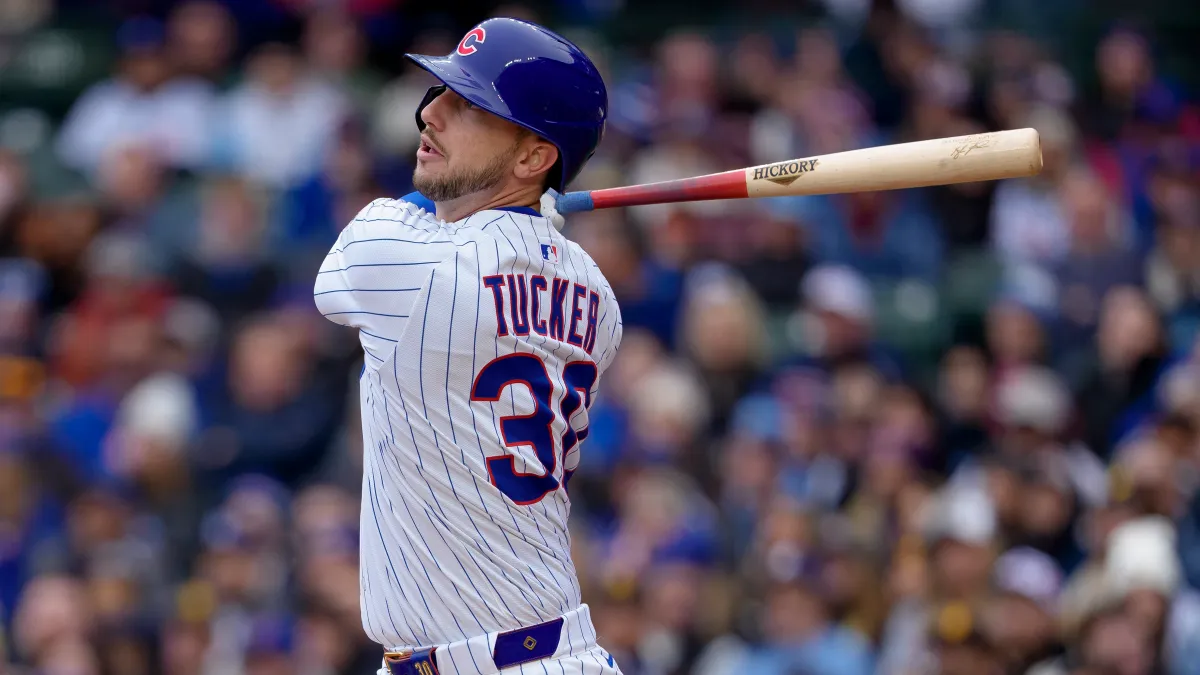
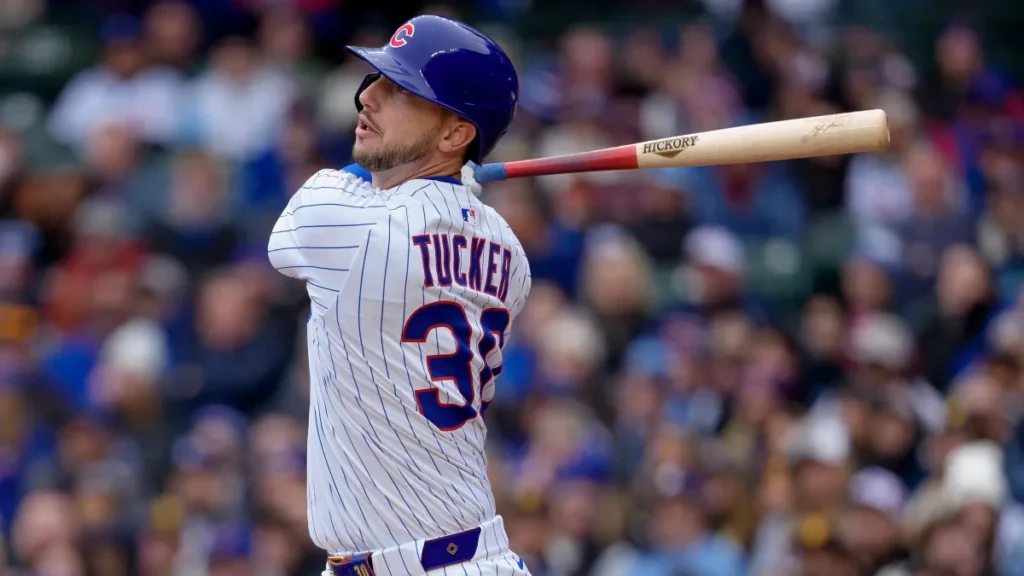
- Kyle Tucker, OF, Cubs
- Kyle Schwarber, OF/DH, Phillies
- Bo Bichette, SS/2B, Blue Jays
- Framber Valdez, LHP, Astros
- Dylan Cease, RHP, Padres
- Ranger Suarez, LHP, Phillies
- Edwin Diaz, RHP, Mets
- Zac Gallen, RHP, D-backs
- Shota Imanaga, LHP, Cubs
- Michael King, RHP, Padres
- Trent Grisham, OF, Yankees
- Gleyber Torres, 2B, Tigers
- Brandon Woodruff, RHP, Brewers
This year’s QO is valued at $22.025 million. All 13 players will have until Nov. 18 to decide whether to accept that one-year offer or decline and become a free agent. They can spend that time gauging the open market to determine interest in their services. If a player accepts the QO, he’ll be treated as a free agent signing and thus will be ineligible to be traded without his consent until June 15 of next year. If he declines, any team that signs him will be subject to draft and/or international bonus forfeitures, depending on its revenue-sharing and luxury tax status.
The qualifying offer grants each of these free agents the chance at a notable one-year payday, though the majority of them will reject without much thought. Players like Tucker, Bichette, Schwarber, Valdez, Cease, Suarez and Diaz are likely to see comparable or larger (much larger, in Tucker’s case) salaries on multi-year deals in free agency. Even players like Grisham, who probably won’t land a $22MM annual value over multiple years, are still likely to reject. Major league free agents typically — though not always — prioritize long-term earning over short-term, higher-AAV pacts. A three- or four-year deal worth $14-16MM per year, for instance, is typically viewed as preferable to accepting one year at a higher rate.
There’s risk in declining the offer, of course. Teams are more reluctant to sign players who’ll cost them valuable draft picks and/or notable portions of their hard-capped bonus pool for international amateurs. Every offseason, there are a handful of free agents whose markets are weighed down by the burden of draft pick compensation. That typically applies to the “lower end” of the QO recipients. For top stars like Tucker, Bichette, etc. — draft/international forfeitures are simply considered the cost of doing business and don’t tend to have much (if any) impact on the player’s earning power.